Stories, Science & the System.
TBI journeys, healing stories, the latest innovations, healthcare infrastructure, malpractice, and personal experiences — written by the Unite team.




The TBI picture, topic by topic.
Six discussion points the Unite blog will explore — each backed by reputable sources, illustrated without showing any individuals.
The Scale
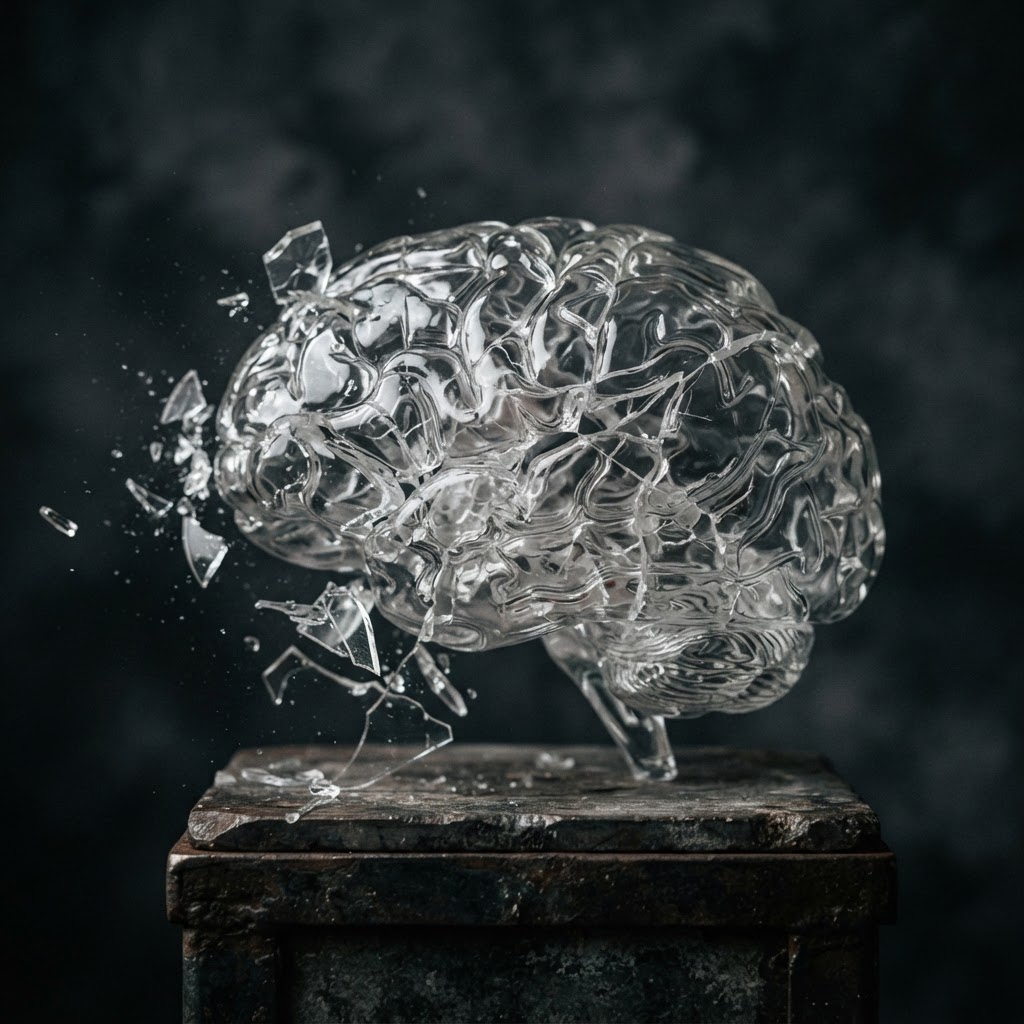
Traumatic brain injury is a leading cause of death and disability worldwide. In the US alone, there were roughly 275,000 TBI-related hospitalisations and 69,000 TBI-related deaths in a single recent year — and millions more concussions never reach a hospital.
The Damage
Even injuries labelled "mild" can cause lasting changes in cognition, mood, balance, and sleep. The damage is often invisible on standard imaging — yet very real to the person living with it.
The Gap
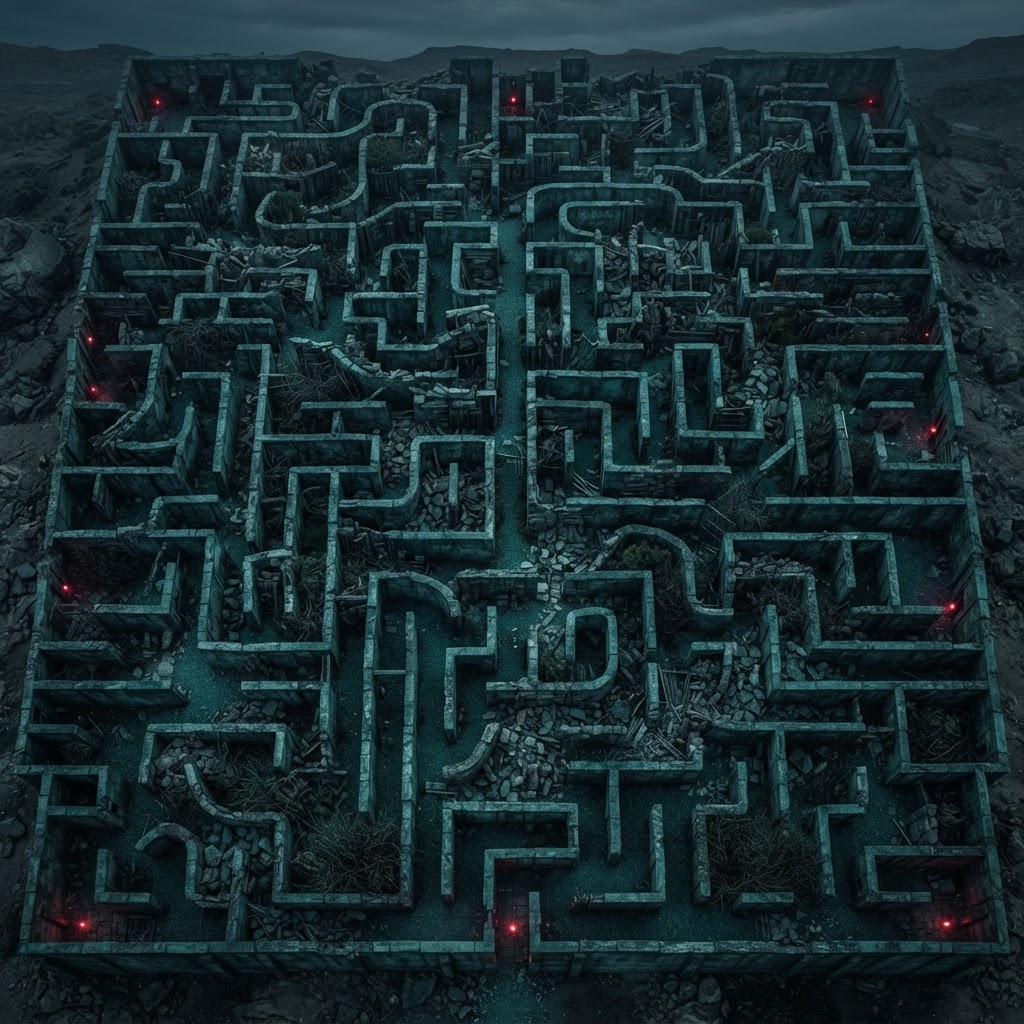
Many survivors are told they will recover in a few weeks — then spend years navigating untreated symptoms. Up to 50% of concussion patients still report symptoms months after injury, and the pathways to proper care are fragmented or missing entirely.
The Science
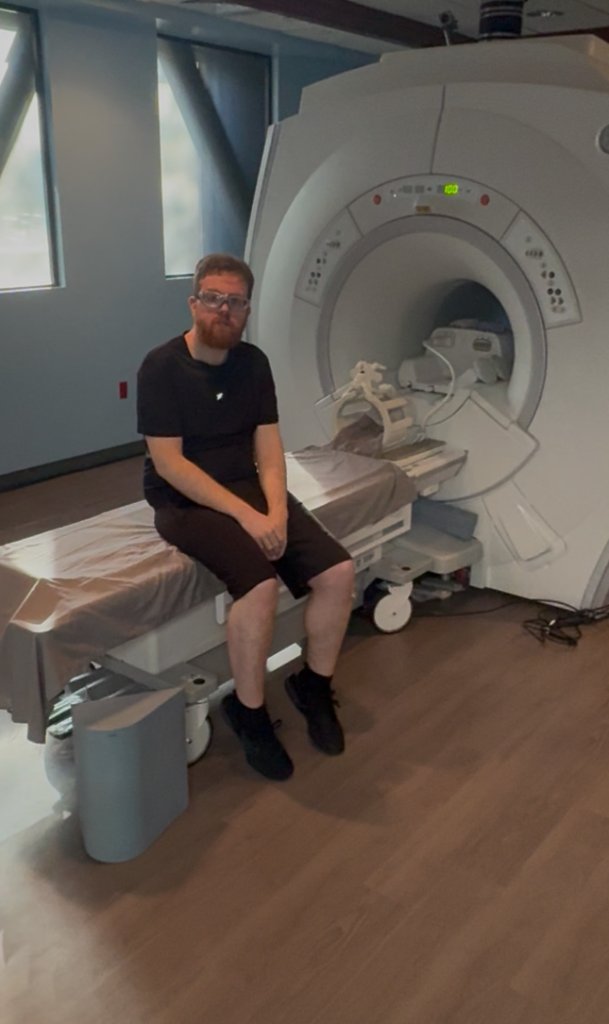
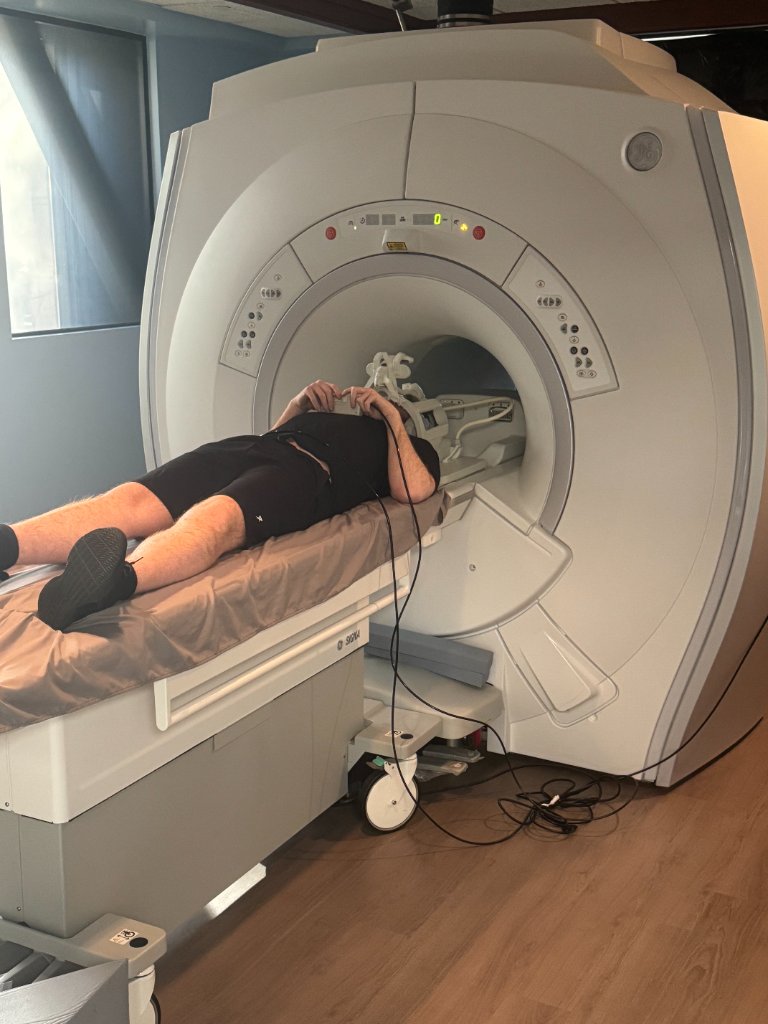
Functional MRI (fMRI) captures brain activity that structural CT and MRI scans miss — revealing the dysfunction behind symptoms that are otherwise dismissed as "nothing on the scan."
The System
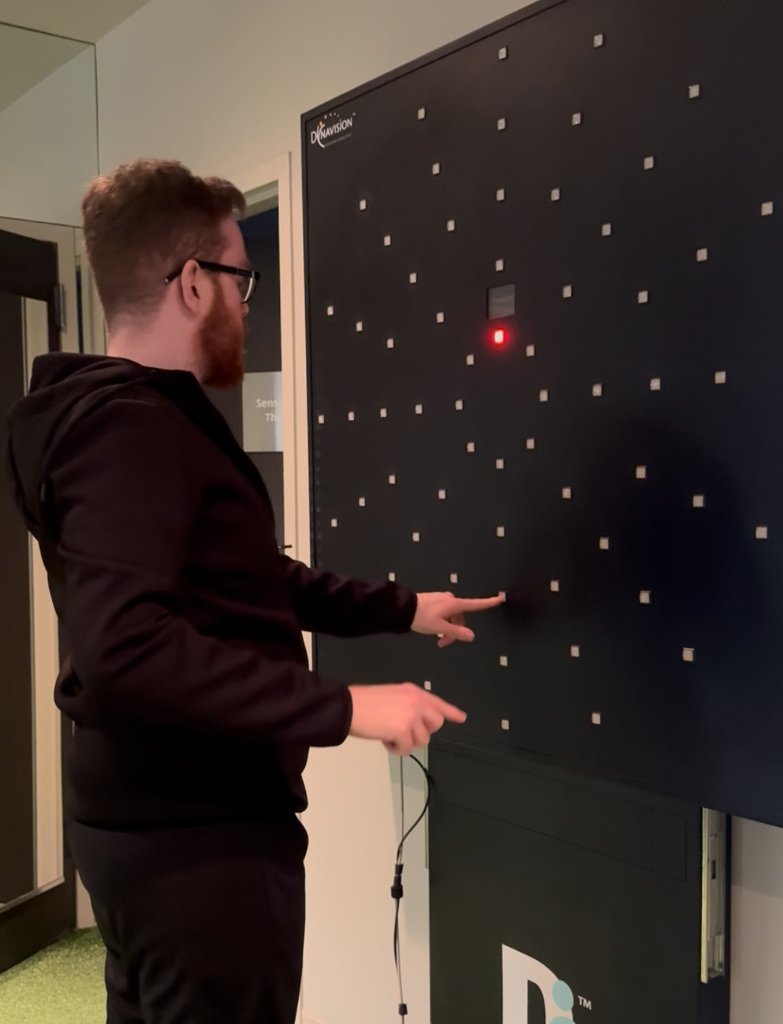
Effective recovery depends on coordinated, multi-disciplinary protocols — vestibular, cognitive, visual, and physical therapies delivered together rather than in isolation.
The Healing
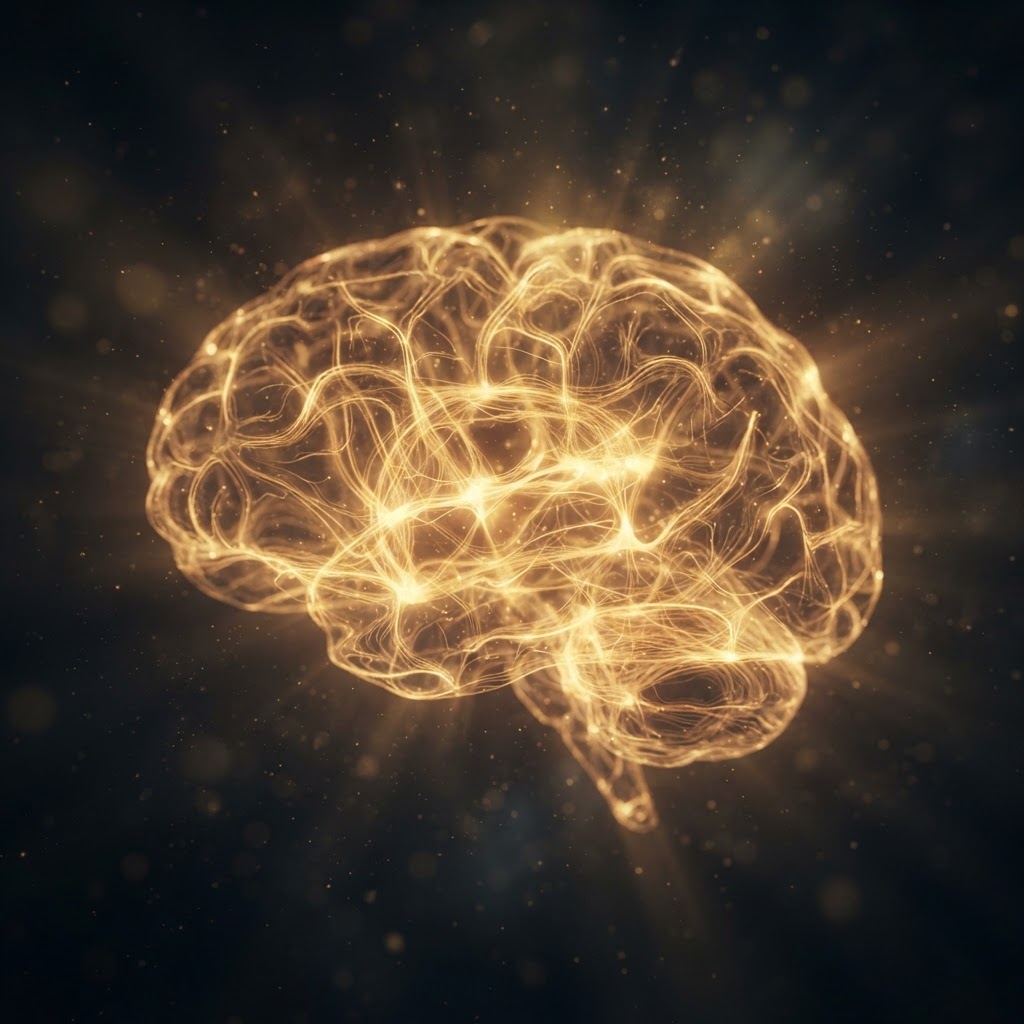
The brain can rewire itself through targeted, repeated therapy — a property called neuroplasticity. With the right intervention, recovery can continue months and years beyond what patients are often told.
Have a story to share?
We'll soon be inviting brain injury survivors, family members, and clinicians to share their journeys with the Unite community. We're not taking submissions just yet — but watch this space.
Never miss a post
New blog posts and breaking news bulletins, straight to your inbox.